Product
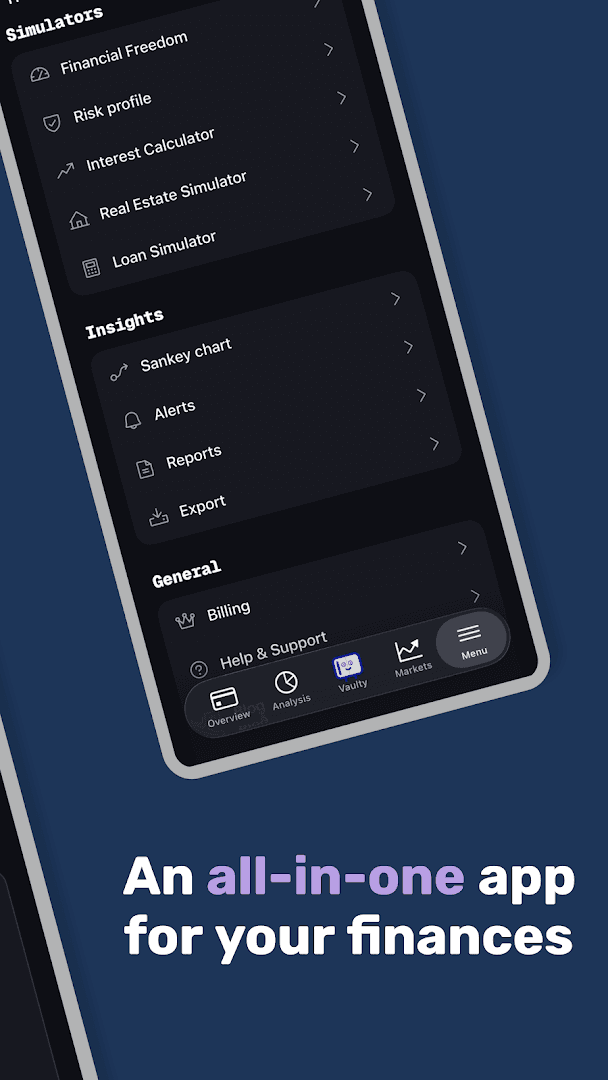
One view for accounts, budgets, markets, assets, and everyday spending.
I built Savyy alone, from product and interface to banking, AI, mobile, infrastructure, and security.
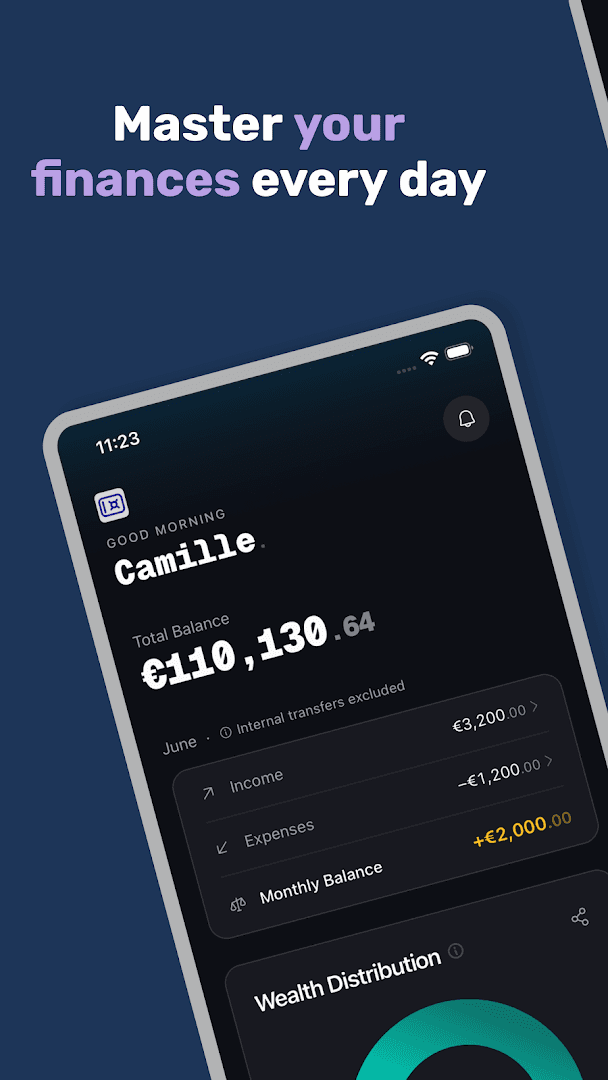
Total balance
€110,130.64One view for accounts, budgets, markets, assets, and everyday spending.
Bank connectivity, transaction processing, private categorization, alerts, billing, and infrastructure.
One shared product across the web, App Store, and Google Play.
01 / Product
Savyy is the product I wanted to use: one place for the daily details and the longer view, without flattening personal finance into a single score.
Accounts, balances, transactions, budgets, savings, investments, property, and other assets live in one financial view.
Savyy organizes spending by category and period, keeps cash flow readable, and lets people correct the system when their own judgment is better.
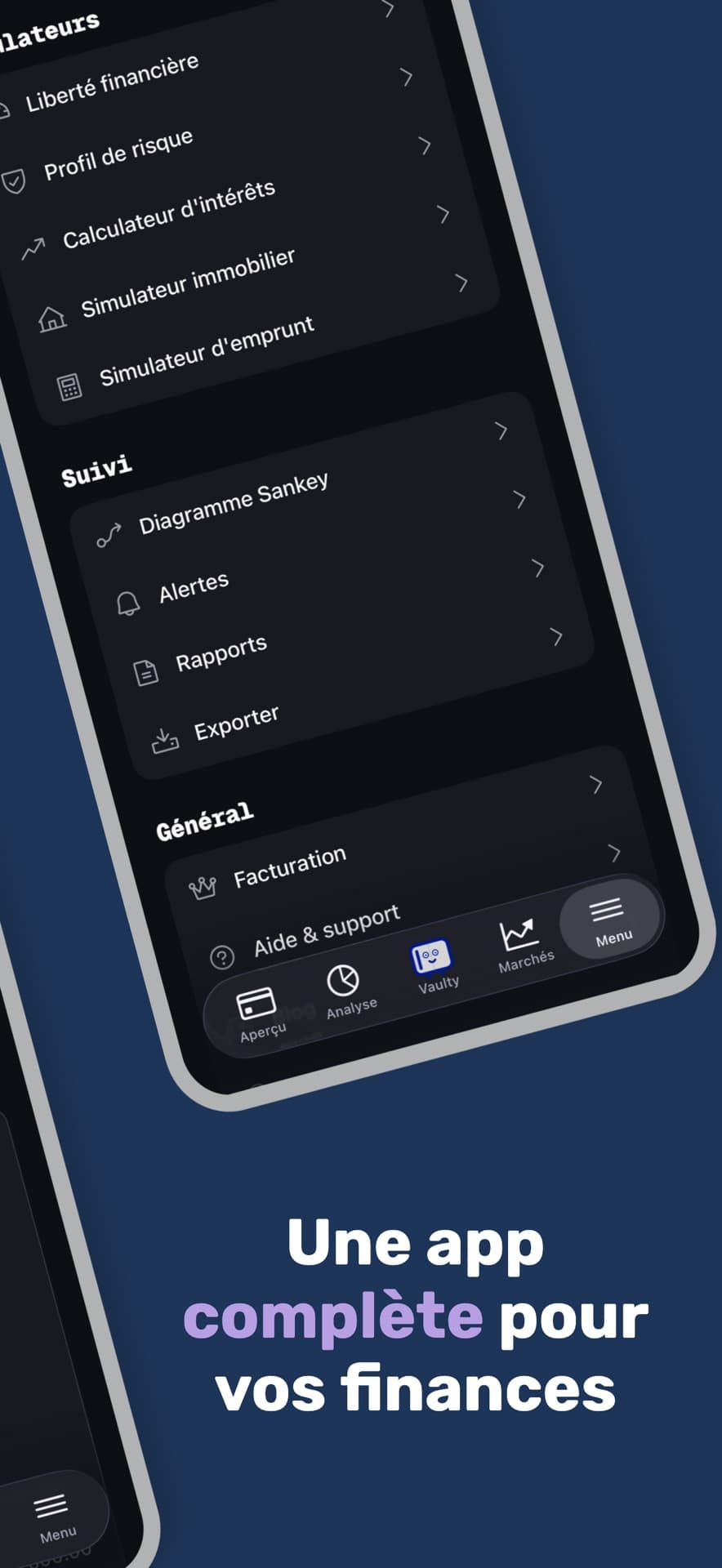
The web and mobile clients share the same account. Budgets, categories, portfolios, and connected banks stay in sync.

Product judgment
“Useful finance software should leave the person in charge.”
Automation can organize the work, but it should stay inspectable. A category can be corrected. An AI feature can be declined. A bank can be disconnected. The interface keeps those choices visible.
02 / Ownership
I built Savyy by myself. That includes the product decisions people see and the operational work they should never have to think about.
Product direction and interface design
Web application
Native iOS and Android applications
Backend, APIs, and data model
Bridge open-banking integration
AI features and categorization controls
Infrastructure, privacy, and security
Billing, releases, documentation, and support
A connected path
The user connects a bank through Bridge. Authentication happens with the bank, and Savyy receives read-only access.
Balances and transactions arrive in a consistent shape so the same financial model can serve different banks and markets.
Transactions can be categorized after identifiers are removed. People can review and change every result.
Web, iOS, and Android read and write through the same product system, so a change on one client appears on the others.
03 / Releases
The web app, iOS app, and Android app share the same account and financial model. Each client still has to feel at home on its platform.


04 / Boundaries
Financial software earns trust through limits that are clear before they are needed. These are the boundaries I designed into Savyy.
Bank access is read-only. Savyy cannot initiate a payment or transfer.
Bank credentials are handled by the regulated connection flow and never pass through Savyy.
AI features require consent, and financial data is never used to train a model.
Sensitive data is encrypted, and Savyy documents EU data residency for its infrastructure.
The evidence is live. Open the product.